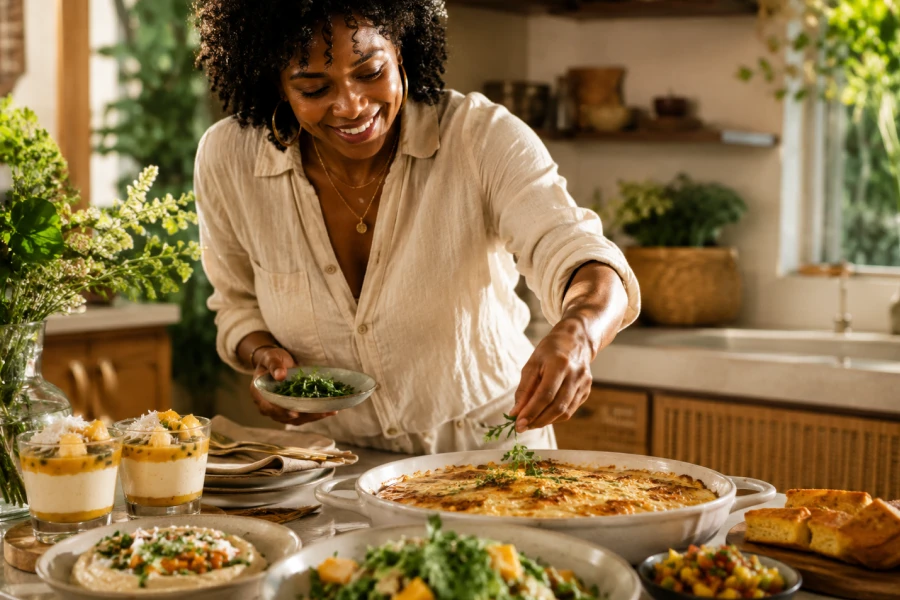
A make-ahead entertaining menu gives the host something every gathering needs: time. When much of the food is ready before guests arrive, the evening feels more open and less hurried. You can welcome people at the door, refill a glass, and join a conversation without abandoning dinner. This approach does not mean serving food that feels flat or overly practical. It means choosing dishes that improve with resting, reheat well, or need only a few final touches. Soups, braises, dips, salads, casseroles, and desserts often become better choices when prepared early. The menu works harder before the event so you can relax during it. That is the quiet advantage of cooking ahead. Good planning protects the host’s attention as carefully as it protects the food.
Some dishes demand attention at the exact moment guests want to arrive. Others let you finish most of the work hours earlier. Choose the second kind whenever possible. A baked dish, slow-cooked main, or room-temperature salad can hold its quality without constant supervision. That reliability makes the schedule easier to manage. Good balanced buffet planning begins with dishes that can wait briefly without losing their appeal. Combine one warm centerpiece with several cool or ambient sides. This prevents the oven from becoming a bottleneck. It also makes serving feel more relaxed. Breathing room is valuable because it gives you time to respond when real life changes the plan.
Think about preparation in the order that protects freshness. Make sauces, dips, dressings, and desserts first because they usually benefit from resting. Chop sturdy vegetables next and store them properly. Cook grains, beans, or roasted components before the day gets busy. Leave delicate herbs, crisp garnishes, and final seasoning for the end. This sequence gives every task a clear place. It also prevents you from spending the last hour doing work that could have happened the day before. A short written timeline can be helpful when several dishes share oven space. Keep the plan realistic and allow extra time between major steps. The best sequence makes the kitchen feel organized without making the host feel trapped by a schedule. Preparation becomes easier when every task has an appropriate moment.
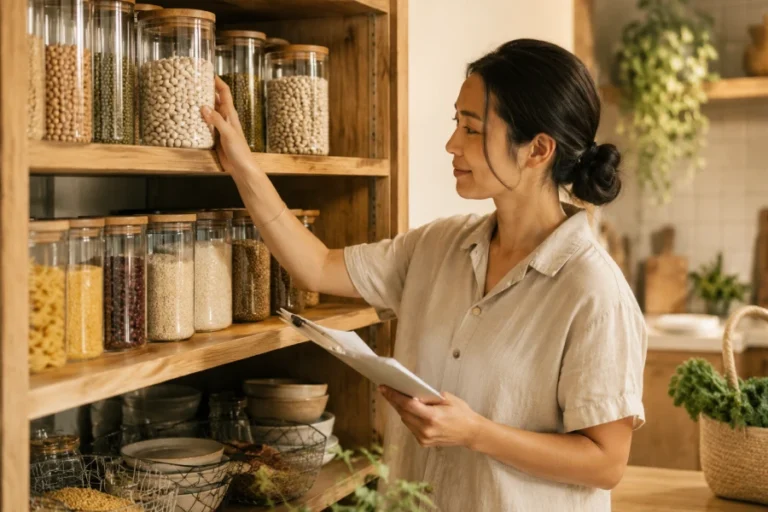
Unexpected changes are easier to handle when the menu has built-in flexibility. Keep a simple appetizer, extra bread, or a pantry-based side ready for guests who arrive hungry. Choose ingredients that can stretch the meal without changing its character. A pot of soup can take more broth and vegetables. Pasta can absorb an extra handful of greens or beans. Smart last-minute gathering solutions are not dramatic rescue moves. They are small choices made in advance. Keep them simple enough that you can use them without losing focus. A backup plan gives you confidence because it keeps minor surprises from becoming major problems. Guests feel cared for when the meal continues smoothly, even if the plan changes.
Flexible hosting food should make room for different preferences without creating separate menus. Serve sauces, dressings, spicy toppings, and garnishes on the side. Offer one hearty vegetable dish that feels complete rather than like an afterthought. Choose dishes that allow guests to build their own plates when possible. Useful adaptable dinner party recipes help the host respond to dietary needs with less stress. Keep the explanations simple and let the food speak for itself. A relaxed menu gives people choices without making anyone feel singled out. This approach also makes leftovers easier to repurpose later. The best entertaining menus offer variety through thoughtful components, not endless dishes.
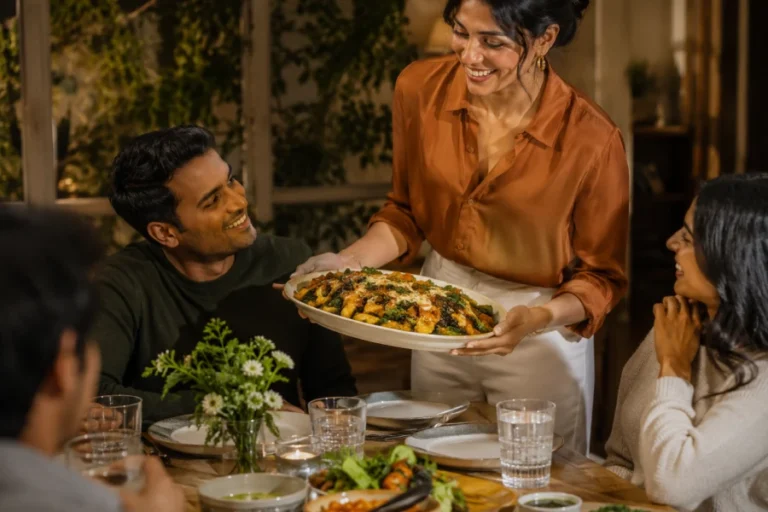
Serving style can make a prepared-ahead menu feel even more effortless. Set out plates, napkins, serving utensils, and water before cooking begins. Use platters and bowls that make it easy for guests to pass food around. A buffet can work beautifully when the kitchen is small or the group is larger. A family-style table can feel more intimate when the number of guests is manageable. Keep hot food hot, but do not panic if every dish does not arrive at the same second. A little looseness makes the room feel relaxed. Let the table encourage people to serve themselves and talk to each other. This takes pressure off the host while making the meal feel communal. Good serving style turns practical preparation into a welcoming experience.
Every gathering gives you useful information for the next one. Notice which dishes truly held well and which needed more attention than expected. Keep notes about portions, timing, and the ingredients guests asked about. That record can become your own trusted hosting reference. You may find that one make-ahead dessert always wins. You may discover that a certain side dish disappears before the main course. Let these observations shape future menus. A better plan does not come from adding more complexity. It comes from repeating what made the previous gathering feel easier. Over time, preparation becomes familiar rather than intimidating. You gain a hosting rhythm that protects both your food and your energy.


Leave a comment